
Empirical Period Formulas vs. Eigenvalue Analysis: The Conservatism Behind Code-Based Seismic Design 
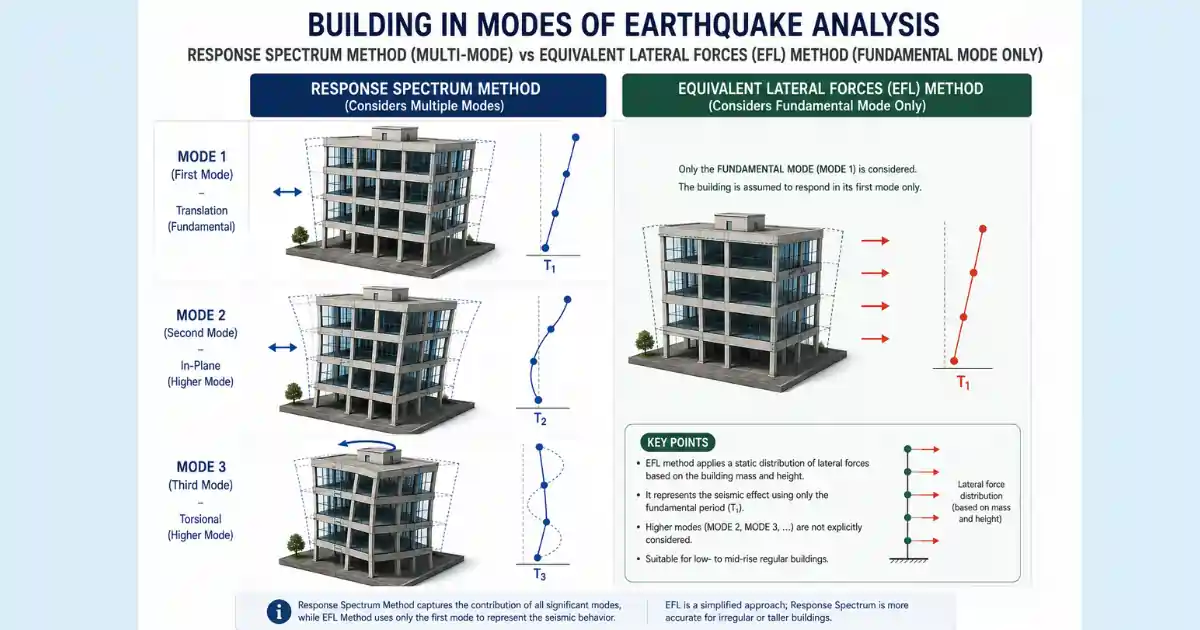
The value of the code’s estimate of a building’s period in Equivalent Lateral force method of earth quake design never quite matches what a detailed model analysis. But why is that? It’s actually done on purpose. The reason is the code estimate is derived from an empirical formula that is conservative by design. The reason … Read more
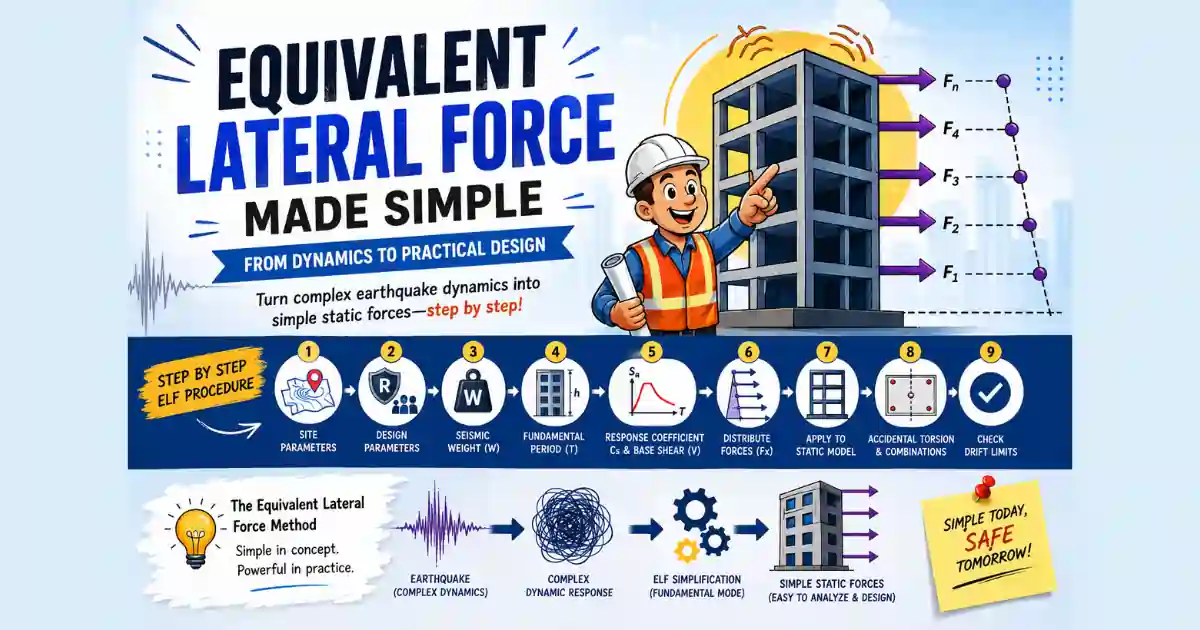
Equivalent Lateral Force Procedure — Application, Method, and Role in Modern Earthquake Design

The equivalent lateral force procedure works by asking one fundamental question about any structure facing earthquake loading: “can I replace the genuinely complex, time-varying, multi-modal dynamic response of an earthquake with a single, simplified set of static horizontal forces applied at each floor level, that together produce approximately the same maximum base shear and approximately … Read more

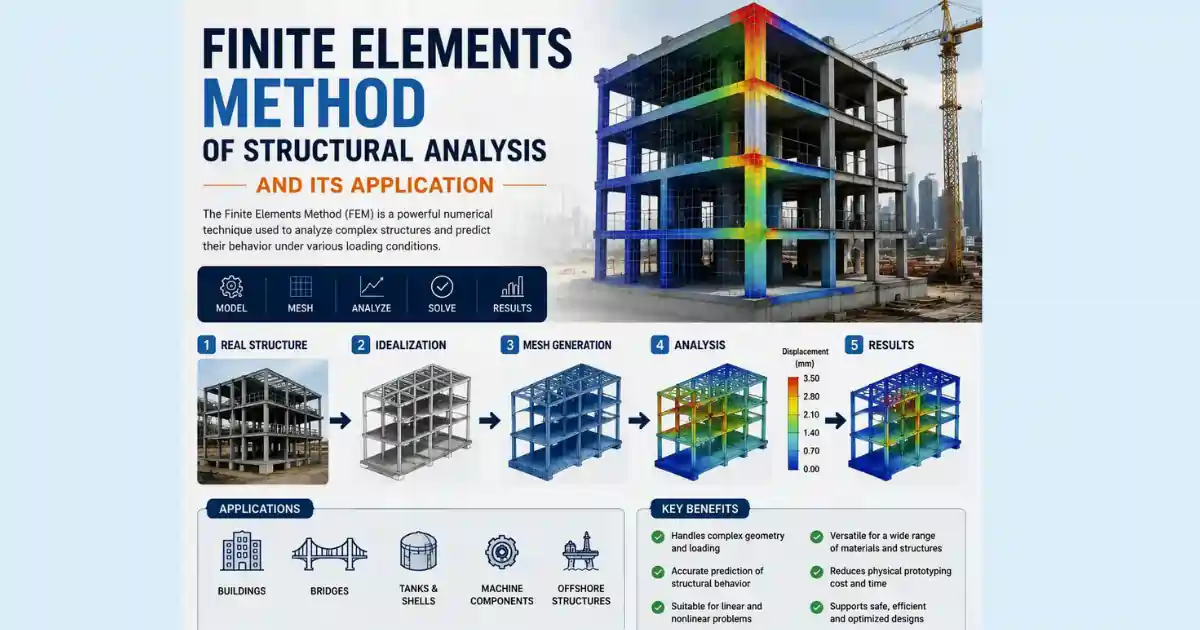
Finite elements Method and its best application cases

The finite element method of analysis is the most general and powerful structural analysis method ever developed. Most leading engineering softwares use the method because it made modern engineering possible by allowing analysis of structures of arbitrary shape, material, loading, and boundary conditions that no classical method could ever handle. The finite element method works … Read more

A guide about working stress and limit state design

Concrete design has transitioned over time from the traditional working stress method to the more advanced ultimate limit state approach. Until the 1950s, structural design primarily relied on the working stress method. However, starting in the 1970s, the adoption of limit state design became widespread due to its ability to provide safer and more economical … Read more